
The future of nanoscience: breakthroughs, rising stars and Innovation in nanotechnology research
What is driving the future of nanoscience?
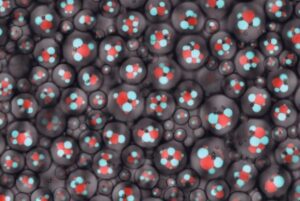
The latest Nature Index supplement, on nanoscience and nanotechnology research, was launched in July, taking a look at some of the most promising discoveries that are driving the field, from programmable RNA architectures to next-generation materials for energy and healthcare.
There are significant challenges, such as how to translate this work into viable treatments. However, the success of mRNA vaccines for COVID-19 – a breakthrough based on decades of nanotechnology research – hints at the massive potential.
In this supplement:
- RNA is becoming a dream component for the nanotools and treatments of the future – how can researchers harness its remarkable flexibility?
- Three rising stars shaping the future of nanoscience and nanotechnology research.
- Treatments for children with rare diseases could be revolutionised by nanotechnology research – if given the right support.
It also includes “branded content” articles, created for partner organisations by our Nature Custom Media team.
- The nanoscience institute built on curiosity
- High-pressure water jets for nanotechnology applications
- Controlling complexity inside batteries
There are also rankings of the top institutions and countries/territories for nanoscience and nanotechnology research in the Nature Index, as well as articles from partners.
Interested in showcasing your organisation’s nanoscience and nanotechnology research? Get in touch to learn more about our sponsorship opportunities.
 About Nature Index supplements:
Nature Index supplements are special features published in Nature using data from the Nature Index database. Organisations are invited to feature in partner articles in the supplements to communicate their prominence on a particular topic.
This year’s topics include:
China, Cancer, Chemistry, Nanoscience and Nanotechnology, Regenerative Medicine, Biomedical Engineering and Europe.
Discover upcoming topics and how to get involved >>
